Skin Glow Tips
Skin Glow Tips: Everyone dreams of having naturally glowing skin, but lifestyle, diet, and daily habits play a big role in achieving it. Glowing skin is not just about looking good; it’s a sign of good health and proper care. With the right approach, you can restore your skin’s natural radiance without spending too much on expensive treatments.
Why Skin Glow Matters
Healthy, radiant skin boosts your confidence and leaves a lasting impression. Simple changes like staying hydrated, following a balanced diet, and adopting a proper skincare routine can make a big difference. By following proven skin glow tips, you can improve your skin texture, reduce dullness, and enjoy a natural shine every day.
How To Get Glowing Skin
Glowing skin is not just about looks. It is a sign of good health and self-care. People spend thousands on makeup to fake a glow. But real radiance comes from habits and lifestyle choices. Natural glow beats highlighters and filters any day. Many think that only expensive creams can give results. The truth is different. With the right care, simple habits, and patience, anyone can achieve healthy skin. Glowing skin is a mix of consistency, hydration, and protection.
This article will guide you step by step. From skincare basics to makeup tips. From food choices to stress management. You will learn how to make your skin glow naturally and keep it that way.
Be Consistent With Your Skincare Routine
Consistency is the backbone of glowing skin. One mask or one cream cannot change your skin overnight. It takes weeks and months of daily care. Think of skincare like brushing your teeth. You do not skip brushing because you know it keeps them healthy. The same rule applies to your skin.
A good routine has two parts: morning and night. In the morning, focus on cleansing, moisturizing, and sun protection. At night, focus on deep cleansing and repairing. Cleansing removes dirt and oil that can clog pores. Moisturizer keeps skin soft and prevents dryness. Sunscreen protects from harmful UV rays that cause early aging.
Consistency does not mean using many products. It means using the right ones daily. Even the most expensive cream will not work if used once a month. A simple routine, done every day, will give long-term glow. Stick to products that suit your skin type. Avoid switching products too often. Your skin needs time to adjust.
When your routine becomes a habit, you will notice changes. Skin will feel softer, smoother, and brighter. Makeup will also look better on consistent skincare. Glowing skin starts with this daily discipline.

Exfoliate Regularly (But Not Too Much)
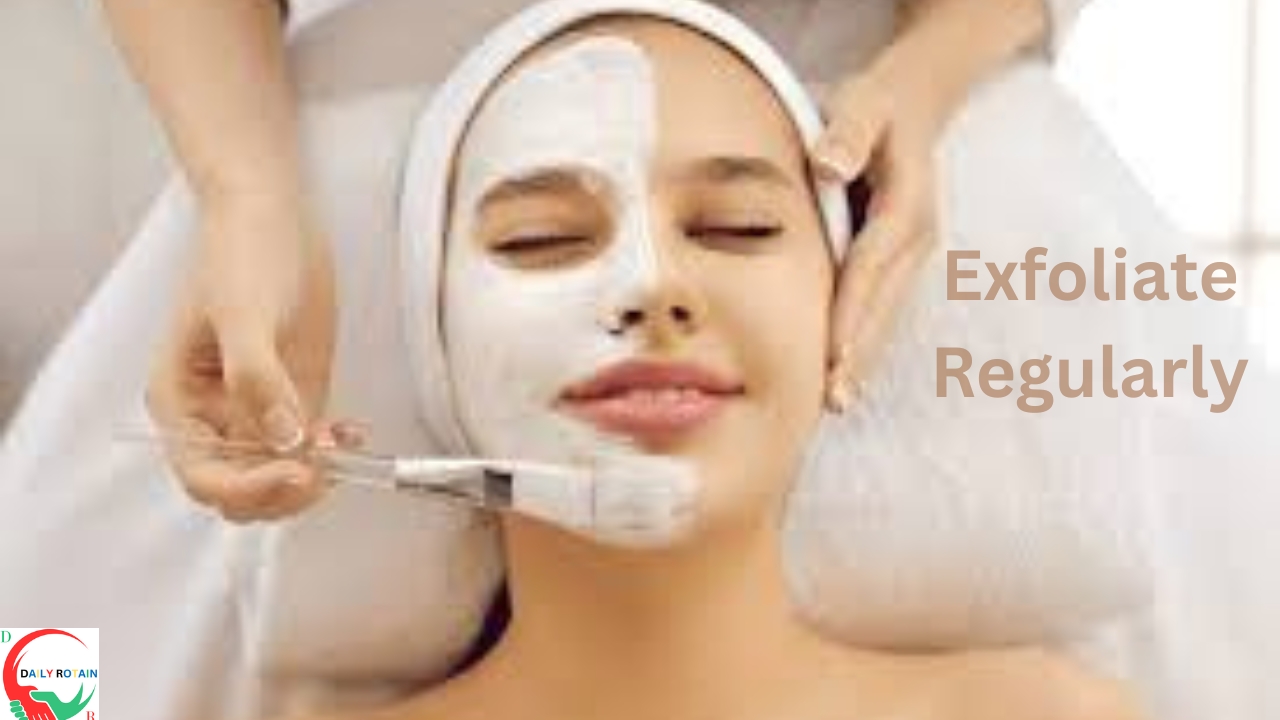
Exfoliation is key to a glow. Dead skin cells build up on the surface. They make skin look dull and tired. Removing them reveals fresh, brighter skin underneath. Exfoliation also helps other products work better. Moisturizers and serums absorb deeper into clean skin. There are two types of exfoliation: physical and chemical. Physical exfoliation uses scrubs with small particles. They polish away dead cells. Chemical exfoliation uses mild acids like glycolic or lactic acid. They dissolve dead skin without scrubbing. Both can give results if used correctly.
The mistake many people make is over-exfoliation. More is not better here. Too much exfoliation can damage the skin barrier. It can cause redness, sensitivity, and even breakouts. For most skin types, once or twice a week is enough. Always follow exfoliation with a gentle moisturizer.
Choose exfoliators based on your skin type. Sensitive skin does better with mild chemical exfoliants. Oily skin may handle scrubs better. Natural options like oatmeal or rice powder also work. Listen to your skin. If it feels irritated, take a break. Regular but careful exfoliation brings out a natural glow. It keeps skin fresh, smooth, and even-toned. Think of it as spring cleaning for your face.
Try a Vitamin C Serum
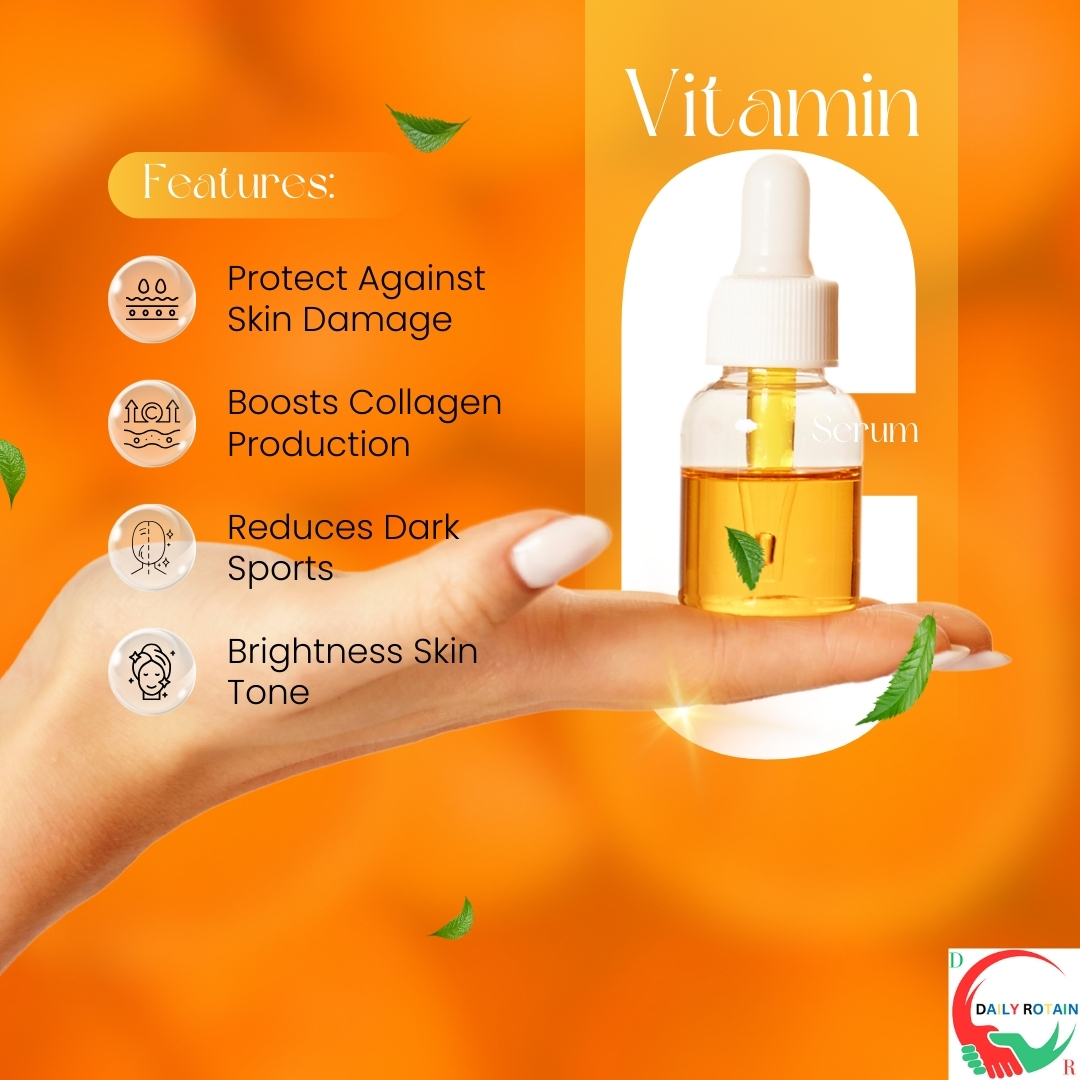
Vitamin C is a glow superstar. It brightens dull skin, fades dark spots, and boosts collagen. Collagen keeps skin firm and youthful. It also protects against damage from pollution and sun exposure. Adding Vitamin C serum to your routine is like giving your skin a daily health shot.
The best time to use Vitamin C is in the morning. Apply it after cleansing but before moisturizing. It works well with sunscreen, giving double protection. A few drops are enough. Pat it gently into your skin; do not rub too hard. Not all Vitamin C serums are equal. Look for stable formulas with ascorbic acid, which is the most effective form. Concentration matters too. Beginners can start with 10%. Advanced users may use 15–20%. Too high a concentration can irritate sensitive skin.
Store your serum properly. Vitamin C breaks down with light and air. Keep it in a dark bottle and away from direct sunlight. If it turns brown, it has gone bad. Regular use will brighten your skin over time. Dark spots fade. Fine lines soften. Skin tone looks even and radiant. Vitamin C is truly a must-have for glowing skin.
Target Dark Spots
Dark spots can dim your glow. They appear due to sun exposure, acne scars, or aging. They make skin look uneven and dull. Targeting them can bring back a clear, radiant look. There are many ways to reduce dark spots. Natural remedies include lemon juice, aloe vera, and turmeric. They lighten spots gently but may take longer to show results. Products with ingredients like niacinamide, kojic acid, or alpha arbutin work faster. They block pigment production and fade spots over time.
Consistency is key when treating dark spots. You cannot expect overnight changes. It may take weeks or months to see visible results. Patience and daily care are essential. Along with treatment, prevention is equally important. Most dark spots come from sun damage. This is why sunscreen is a must every single day. Without SPF, even the best spot treatment will fail.
If spots are stubborn, consider professional options. Dermatologists offer chemical peels, laser therapy, or microdermabrasion. These treatments give faster results but require expert guidance. Targeting dark spots is not just about beauty. It is about giving your skin an even, youthful look. Clear skin always looks healthier and more radiant.

Add Retinol to Your Routine
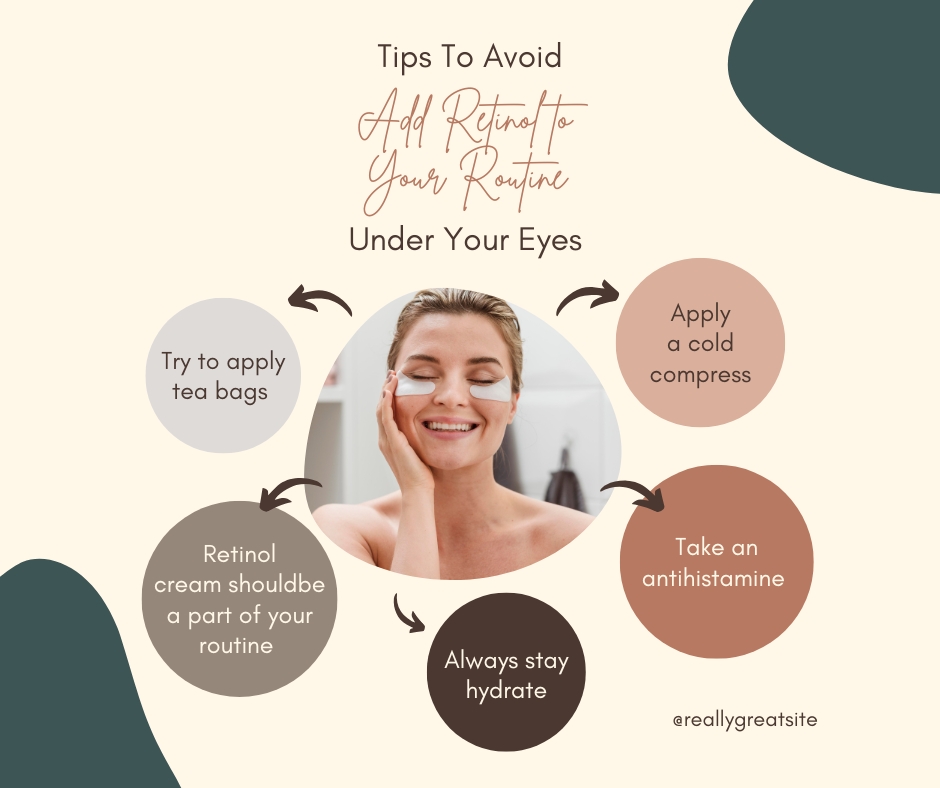
Retinol is one of the most powerful skincare ingredients for glowing skin. It is a form of Vitamin A that speeds up cell turnover. Old, dull cells shed faster, and fresh new ones take their place. This process helps reduce fine lines, acne scars, and dark spots. Over time, skin looks smoother, firmer, and more radiant.
Retinol is best used at night. Skin repairs itself while you sleep, so retinol works more effectively. Start slow if you are new to it. Begin with a low strength, like 0.25% or 0.3%, and use it two to three times a week. As your skin adjusts, you can increase the frequency. Always follow with a moisturizer to reduce dryness.
It is important to remember that retinol can make skin sensitive to sunlight. That is why sunscreen is non-negotiable during the day if you use retinol at night. Skipping SPF will undo all the benefits.
Some people may experience redness, peeling, or breakouts in the beginning. This is normal and called “retinol purge.” It usually settles after a few weeks. If irritation is too strong, switch to gentler alternatives like bakuchiol. Retinol is not just for aging skin. It works for acne, uneven texture, and dullness, too. With regular use, it becomes one of the best tools to unlock a long-lasting glow.
Hydrate Your Skin
Hydration is the secret behind plump, glowing skin. Dryness makes fine lines more visible and dulls the complexion. Well-hydrated skin, on the other hand, looks smooth, soft, and naturally radiant.
There are two types of hydration: internal and external. Internal hydration comes from drinking enough water. Aim for 8–10 glasses daily. Herbal teas, coconut water, and fresh fruits also add hydration. Eating water-rich foods like cucumbers, watermelon, and oranges helps too.
External hydration comes from skincare products. Look for ingredients like hyaluronic acid, glycerin, and aloe vera. These draw water into the skin and lock it in. Moisturizers are essential, even for oily skin types. Gel-based ones work well for oily skin, while creams are better for dry skin.
A hydrating face mask once or twice a week can give an instant glow. Overnight sleeping masks are another great option. They work while you sleep, so you wake up with soft, plump skin. Do not forget the lips and under-eye area. They also need hydration. Use a lip balm and an eye cream daily.
Hydration is not just about skincare. It is also about lifestyle. Limit alcohol and caffeine, as they dehydrate the body. Include healthy fats like avocado, nuts, and olive oil in your diet. They keep your skin barrier strong and help lock in moisture. Hydrated skin is the foundation of natural glow. Without it, no serum or makeup can give lasting results.

Never Skip SPF
If there is one non-negotiable rule for glowing skin, it is sunscreen. Sun exposure is the number one cause of premature aging. UV rays damage collagen, create dark spots, and dull the skin. Without SPF, your glow will fade no matter what products you use.
SPF should be worn every day, even when it is cloudy. UV rays can still reach your skin through windows and during winter. Make it the last step of your morning routine. Choose a broad-spectrum sunscreen with at least SPF 30. Broad-spectrum means it protects from both UVA and UVB rays.
For daily wear, lightweight formulas are best. Gel-based or fluid sunscreens do not feel heavy on the skin. If you have dry skin, cream-based sunscreens give extra hydration. There are tinted sunscreens that double as makeup base, too.
Many people skip sunscreen because they do not like the white cast. But modern formulas have improved a lot. Mineral and chemical blends suit different skin types. Test a few until you find your match. Reapplication is just as important as the first layer. If you are outside for long, reapply every two hours. Use sunscreen sticks or sprays for easy touch-ups.
Remember this: skincare without SPF is like building a house without a roof. Everything will crumble. Protect your skin daily, and your natural glow will stay longer.

Try an At-Home Peel
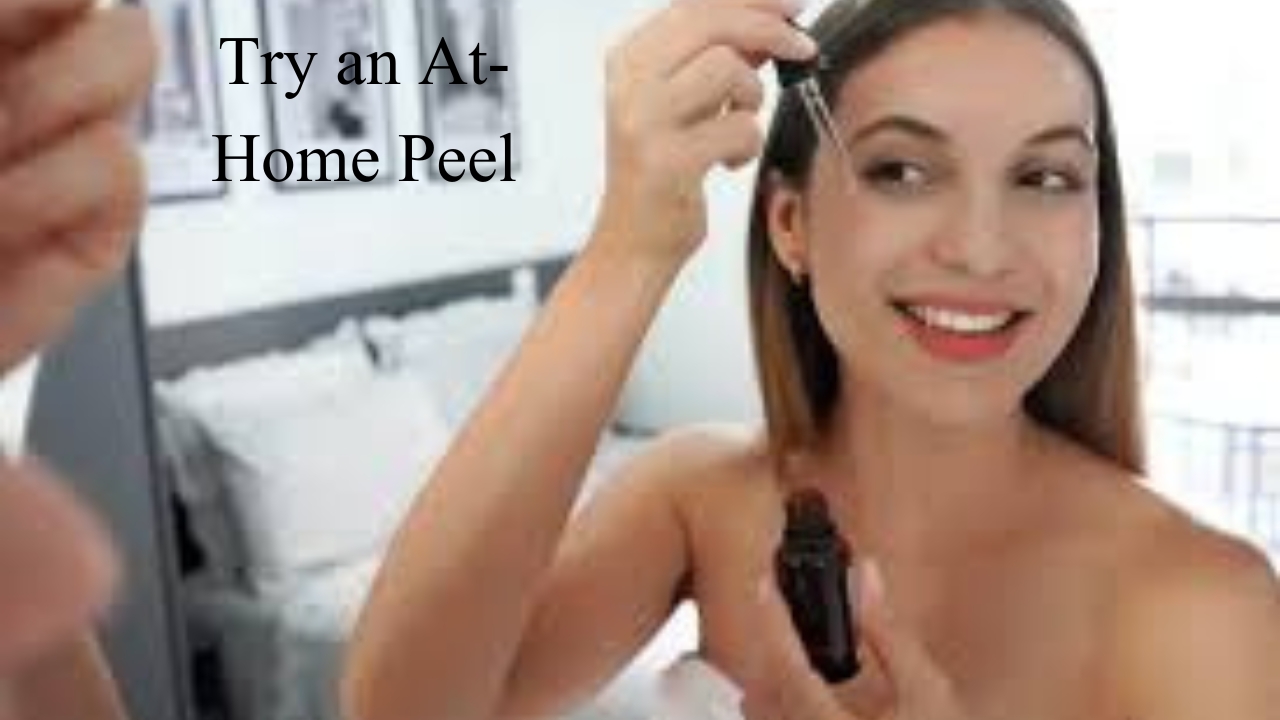
At-home peels are a great way to boost glow quickly. They are stronger than regular scrubs but gentler than professional treatments. These peels use acids like glycolic, lactic, or salicylic acid. They remove dead cells, unclog pores, and reveal fresh skin underneath.
Using a peel once or twice a month can make skin look brighter and smoother. They also help fade spots, fine lines, and uneven tone. Unlike harsh scrubbing, peels work on a deeper level without damaging the skin surface.
However, safety is key with at-home peels. Always follow the instructions carefully. Start with mild formulas, around 5–10% strength, especially if you are new. Do not leave it on longer than recommended. Overuse can cause irritation and sensitivity.
After a peel, always use a soothing moisturizer. Your skin will be more sensitive, so SPF the next day is a must. Never pair strong peels with retinol or high-strength Vitamin C on the same night. At-home peels give a mini facial effect. They refresh the skin and add instant glow. If you have stubborn skin issues, professional treatments may be needed. But for regular glow maintenance, home peels are a simple and effective solution.
Switch to a Luminous Foundation
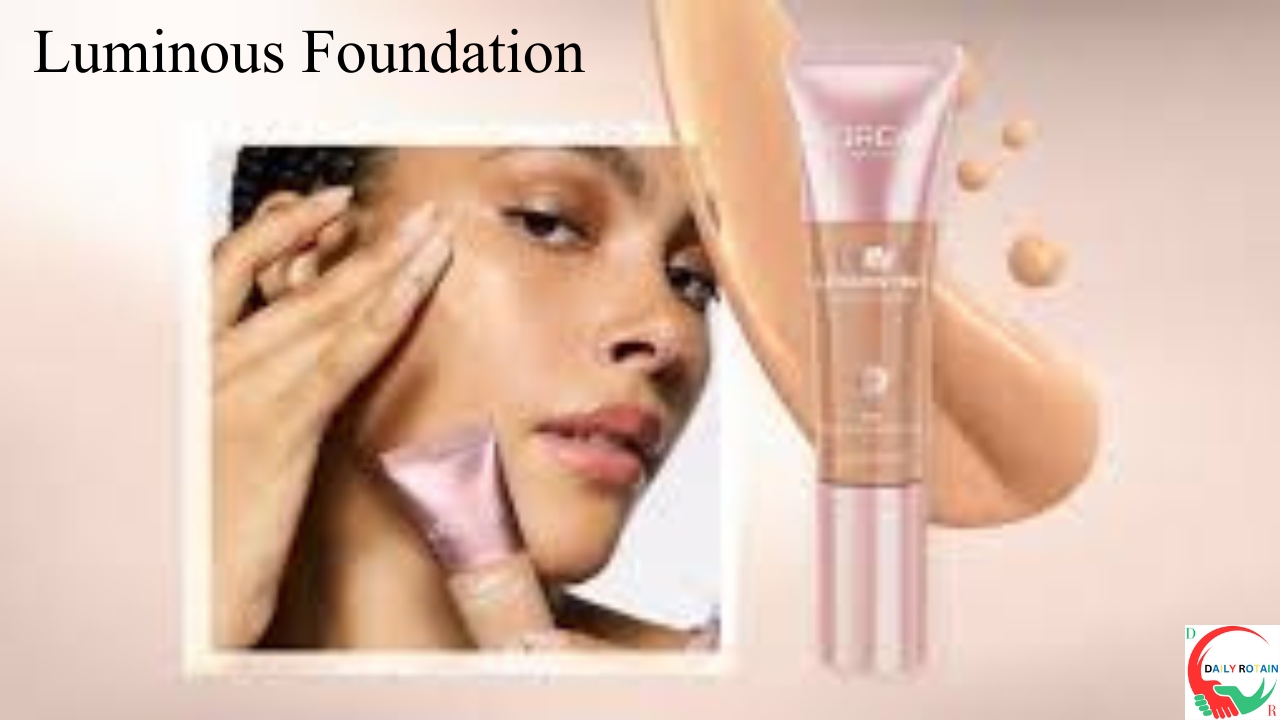
Makeup can also play a big role in glowing skin. The right foundation can add radiance while still looking natural. A luminous foundation reflects light, making skin look fresh and dewy.
Unlike matte formulas that give a flat finish, luminous foundations enhance glow. They are especially great for dry or dull skin. These formulas often contain hydrating ingredients like hyaluronic acid or oils. Some even have light-reflecting pigments that blur imperfections.
When choosing a foundation, match it to your skin type. If you have oily skin, go for oil-free luminous formulas. For dry skin, moisturizing foundations give the best results. Always prep your skin with moisturizer and primer for a smooth base.
Application also matters. Use a damp makeup sponge for a natural, glowing finish. Brushes give more coverage, while fingers work for quick blending. Less is more with a luminous foundation. Too much can look greasy instead of radiant.
You can also mix a drop of liquid highlighter with your foundation. This trick gives an extra boost of glow. Setting sprays with a dewy finish can lock in the look. Foundation should enhance your natural beauty, not hide it. A luminous formula lets your real skin shine through. It is like a soft filter, but in real life.
Use Liquid and Cream Makeup
The type of makeup you choose affects how your skin looks. Powder products can sometimes make the skin appear dry and dull. They settle into fine lines and highlight texture. Liquid and cream products, on the other hand, blend seamlessly. They create a fresh, natural glow.
Liquid blushes, cream bronzers, and cream highlighters melt into the skin. They mimic a natural flush instead of sitting on top of the face. These products give a soft, radiant finish that looks like skin, not makeup. They are especially good for dry or mature skin, where powders can look cakey.
Application makes a difference, too. Fingers warm up cream products and help them blend smoothly. A damp sponge can also give a natural, dewy effect. Start with a small amount and build up if needed. Layering liquid and cream products gives a healthy glow that lasts. For example, apply a cream blush, then lightly tap on a cream highlighter above it. The result is a soft, glowing finish that looks effortless.
You can still set your makeup if you have oily skin. Use a very light dusting of translucent powder only where needed. Leave the high points of your face powder-free to keep the glow. Switching from powders to creams is a small change. But it makes a huge difference in how fresh and radiant your skin looks. It is like swapping a matte photo for one taken in natural sunlight.
Try Self-Tanner
A natural tan gives instant radiance, but sunbathing damages the skin. Self-tanner is the safer way to achieve that golden glow without UV harm. It adds warmth and brightness to the skin, making it look healthy and luminous.
Self-tanners come in many forms: lotions, mousses, drops, and sprays. Choose one that matches your skin tone for the most natural look. For beginners, gradual tanning lotions are the easiest. They build color slowly, so there is less risk of streaks.
Preparation is key to a smooth result. Exfoliate your skin a day before applying. This removes dead cells and prevents patchiness. Moisturize dry areas like elbows, knees, and ankles, as they absorb more color. When applying, use a tanning mitt for even coverage. Start with a small amount and blend well. Allow it to dry completely before dressing. Avoid water or sweating for at least a few hours.
Self-tanners are not permanent, but they can last up to a week. Keep the glow by moisturizing daily and exfoliating lightly every few days. Reapply once the color starts to fade. With self-tanner, you can enjoy a sun-kissed glow all year round. It is a safe, simple way to enhance radiance without risking sun damage.

Adjust Your Routine Seasonally
Your skin’s needs change with the seasons. A routine that works in summer may not work in winter. Adjusting your products ensures that your skin stays balanced and glowing all year.
In summer, heat and humidity make skin more oily. Lightweight, oil-free moisturizers work best. Gel-based formulas keep skin hydrated without feeling heavy. Sunscreen becomes even more important as UV exposure is higher.
In winter, cold air and indoor heating dry out the skin. Richer creams, hydrating serums, and nourishing oils are helpful. Lip balms and thicker body lotions prevent dryness and cracks. Spring and fall are transition seasons. They are the best times to slowly swap products. For example, as summer ends, start adding more hydration. As winter fades, switch back to lighter textures.
Exfoliation may also change with the weather. In summer, too much exfoliation can make skin sensitive to the sun. In winter, it helps remove dry, flaky patches. Adjust frequency based on how your skin feels. Pay attention to seasonal foods too. Water-rich fruits in summer and omega-rich foods in winter both support healthy skin from within.
Adapting your skincare routine with the seasons keeps your glow consistent. It is like changing your wardrobe—your skin also needs different care at different times.
Prioritize Self-Care
Glowing skin is not just about what you put on your face. It also reflects your lifestyle. Stress, lack of sleep, and poor diet can all show up on your skin. That is why self-care is an essential part of skincare. Start with sleep. Aim for 7–9 hours each night. Your skin repairs itself while you rest. Dark circles, dullness, and breakouts often improve when you get enough sleep.
Diet matters too. Fresh fruits, vegetables, whole grains, and lean proteins fuel your skin. Foods rich in omega-3 fatty acids, like salmon and walnuts, keep the skin barrier strong. Limit processed foods, sugar, and alcohol, as they cause inflammation. Exercise also boosts skin health. Sweating removes toxins, and increased blood flow delivers oxygen to the skin. Just remember to cleanse afterward to avoid clogged pores.
Managing stress is another key. High stress triggers breakouts and dullness. Meditation, yoga, or even a simple walk outdoors can calm the mind and improve your skin. Hydration, relaxation, and joy all reflect on your face. When you feel good inside, your skin naturally glows. Self-care is not selfish—it is the secret ingredient for lasting beauty.

Conclusion
Glowing skin is the result of daily habits, not quick fixes. A consistent routine, hydration, and sun protection are the foundation. Adding treatments like Vitamin C, retinol, and gentle peels boosts the results. Makeup choices can enhance glow, but true radiance comes from within.
Every step, from exfoliating to self-care, plays a role. Small, consistent efforts create lasting results. Glowing skin is possible for everyone—it just needs patience and the right habits.
Take care of your skin daily, and it will reward you with a natural, healthy shine.
Related Posts

10 Time Management Routine Tips for a Productive Day
Why Time Management Routine Matters Time Management Routine: A strong…

20-Minute Upper Body Strength Training Routine at Home
20-Minute Upper Body Strength 20-Minute Upper Body Strength: Building strength…

Daily Express History, Influence, Role in British Journalism
Daily Express The Daily Express holds a central place in…