Oily Skin Care Routine
Oily Skin Care Routine: Oily skin can be tricky to manage. The constant shine, clogged pores, and frequent breakouts make it difficult to maintain a clear and healthy look. That’s why following an Oily Skin Care Routine is essential. The right steps can help control excess oil without stripping away the skin’s natural moisture. With the right products and habits, you can achieve a fresh, balanced complexion that feels comfortable all day long.
A consistent skincare routine not only reduces shine but also prevents acne, minimizes large pores, and keeps your skin looking smooth. From gentle cleansing to lightweight hydration and sun protection, each step plays a role in improving your skin’s overall health. In this guide, you’ll discover an easy and effective Oily Skin Care Routine that will help you maintain clear, fresh, and glowing skin every day.

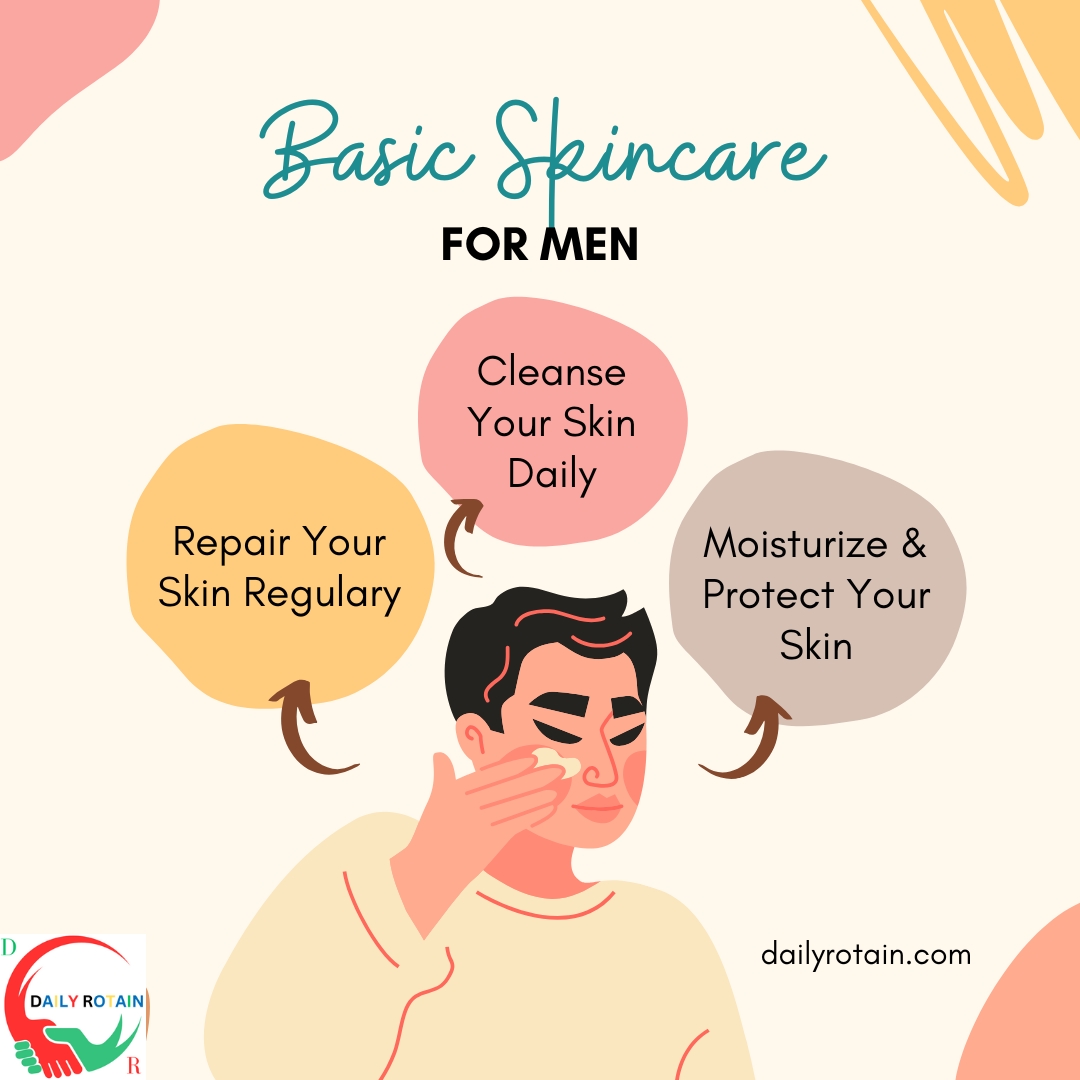
Skincare Routine to Tackle Oily Skin in Men
Oily skin is common in men. It often shows up as a shiny forehead, clogged pores, and frequent breakouts. Many men ignore this problem or use harsh products that make it worse. A proper routine can control excess oil and help you maintain clear and healthy skin. The good news is that it does not have to be complicated. With the right steps, you can manage oily skin easily.
This guide explains a simple routine you can follow daily. It also covers what to avoid and tips that make a real difference. Let’s go step by step and build a skincare plan that works for you.
Step 1. Use a Facewash to Cleanse Your Skin
Cleansing is the first and most important step. Oily skin produces extra sebum. This oil mixes with dirt, sweat, and dead skin cells. The result is clogged pores and acne. A good face wash removes excess oil without drying your skin.
Choose a cleanser that is gentle and free from harsh chemicals. Look for words like “oil-free,” “gel-based,” or “foaming” on the label. These formulas help lift oil and dirt from the surface. Wash your face twice daily. Once in the morning to remove overnight buildup, and once at night to clear sweat and grime.
Avoid using bar soaps or harsh cleansers. They strip your skin, forcing it to produce even more oil. Always rinse with lukewarm water. Hot water can irritate your skin and increase oil production. Don’t rub your face. Only dry it with a clean towel.

Step 2. Use a Toner to Tighten Your Pores
After cleansing, your pores are open and vulnerable. A toner helps close them and balances your skin’s pH. It also removes leftover dirt and oil that your cleanser may have missed. For men with oily skin, toner is not optional. It is a powerful step to prevent acne and control shine.
Choose an alcohol-free toner. Alcohol dries out your skin and leads to irritation. Instead, look for toners with ingredients like witch hazel, salicylic acid, or niacinamide. These calm the skin and reduce oil buildup. Apply the toner using a cotton pad or tap it gently with your hands.
Use toner twice a day, after cleansing. This simple step reduces the chance of clogged pores. It also prepares your skin for hydration in the next step.

Step 3. Hydrate Your Skin
Many men think oily skin does not need hydration. This is a mistake. When your skin lacks moisture, it produces even more oil to make up for it. The result is extra shine and more breakouts. A lightweight moisturizer keeps your skin balanced.
Choose a gel-based or water-based moisturizer. These are non-greasy and absorb quickly. Look for products labeled “non-comedogenic,” which means they do not clog pores. Ingredients like hyaluronic acid, aloe vera, and glycerin work well for oily skin.
Apply moisturizer twice daily, right after toner. This helps lock in hydration. A good moisturizer keeps your skin soft, prevents dryness, and reduces the greasy look.

Step 4. Protect Your Skin from Harmful UV Rays
Sun protection is a must. UV rays damage the skin, speed up aging, and worsen oil problems. Many men avoid sunscreen because they think it feels heavy or greasy. But the right sunscreen can protect without making your skin oily.
Choose a broad-spectrum sunscreen with at least SPF 30. Look for lightweight, gel-based, or matte-finish sunscreens. These protect your skin while controlling shine. Apply it every morning, even on cloudy days. Reapply every few hours if you spend time outdoors.
Using sunscreen daily also prevents dark spots and acne scars from getting worse. Think of it as a shield that keeps your skin safe and youthful.

Step 5. Exfoliate Your Skin every week
Exfoliation removes dead skin cells that block pores. For oily skin, this step is important. It reduces blackheads, whiteheads, and acne. Exfoliating also helps your skin absorb other products better.
Do not exfoliate daily. Twice a week is enough. Over-exfoliation can irritate your skin and increase oil production. Choose a gentle exfoliator with ingredients like salicylic acid or glycolic acid. These penetrate deep into pores and clear oil buildup.
Use light, circular motions when exfoliating. Avoid scrubbing too hard. After exfoliation, always apply a moisturizer to soothe your skin.

Here Are Some Tips to Tackle Oily Skin in Men
Along with a proper routine, a few lifestyle tips can make a big difference.
-
Wash your pillowcases and bedsheets regularly. Oil and dirt collect on fabric and transfer to your skin.
-
Stay hydrated. Drinking enough water keeps your skin balanced from the inside.
-
Eat a balanced diet. Too much fried or sugary food can worsen oily skin. Include fresh fruits, vegetables, and lean protein.
-
Avoid touching your face. Your hands carry bacteria and dirt that cause breakouts.
-
Exercise regularly. Sweating helps flush out toxins, but always wash your face afterward.
-
Manage stress. Stress hormones can increase oil production. Simple habits like meditation or deep breathing help.
What to Avoid in Your Face Care Routine for Oily Skin
Not all products or practices are good for oily skin. Avoiding the wrong ones is just as important as using the right ones.

Products and Ingredients to Avoid
Heavy, oil-based products
These clog pores and make your skin greasy. Always check labels for “oil-free” or “non-comedogenic.”
Comedogenic oils
Coconut oil and similar heavy oils block pores. Skip them in your face products.
Alcohol-based products
These may feel refreshing at first, but strip your skin. Your skin reacts by producing even more oil.
Harsh scrubs
Scrubbing damages your skin barrier. It causes redness and irritation.
Fragrances
Fragrance can irritate sensitive or oily skin. Choose fragrance-free products whenever possible.

Silicones
Silicones create a layer on the skin that traps oil and dirt. They can lead to clogged pores.
Heavy makeup
Thick or greasy makeup clogs pores. If you use makeup, choose oil-free, breathable formulas.
Practices to Avoid
Over-cleansing
Washing too often strips your skin and increases oil production. Stick to twice a day.
Over-exfoliating
Too much exfoliation irritates your skin. Limit it to one or two times per week.
Touching your face
Hands carry bacteria and dirt. Touching your skin spreads germs and causes breakouts.
Not moisturizing
Skipping moisturizer makes your skin dry. Dry skin pushes glands to produce more oil.
Not removing makeup
Leaving makeup overnight clogs pores and causes acne. Always remove it before bed.
Benefits of Following an Oily Skin Care Routine
Having an oily skin care routine brings clear advantages. It reduces acne, controls shine, and makes your skin look healthy. Regular care also prevents long-term damage, like large pores and premature aging.
When you follow a routine, your skin stays balanced. You no longer deal with extreme oiliness or dryness. A proper balance of cleansing, toning, hydrating, and protecting makes your skin more resilient. It also improves your confidence since your face looks fresher and less greasy.

Common Mistakes in Oily Skin Care Routine
Even with the right products, mistakes can ruin your efforts. Some men scrub too hard, thinking it will clean their skin better. This only causes irritation. Others skip sunscreen, which leads to dark spots and damage.
Another mistake is trying too many new products at once. This can overwhelm your skin. Instead, introduce one product at a time. Be patient. Results take weeks, not days.
Consistency is the most important part of an oily skin care routine. Missing steps or skipping days weakens the results. Treat your skin like a daily responsibility.
Best Natural Remedies for Oily Skin
Along with skincare products, natural remedies can help. Clay masks absorb excess oil and tighten pores. Aloe vera gel calms the skin and provides light hydration. Green tea has antioxidants that reduce inflammation and oiliness.
You can also try honey masks. Honey has antibacterial properties and balances oil. Lemon juice works as a natural astringent but should always be diluted to avoid irritation. These remedies are simple, affordable, and effective when used correctly.

Frequently Asked Questions
1. Can oily skin be healthy?
Yes. Oily skin often ages more slowly because natural oils keep it hydrated. With proper care, it can stay clear and youthful.
2. Should men use serums for oily skin?
Yes, lightweight serums with niacinamide or salicylic acid are great for oily skin. They target acne, control oil, and improve skin texture.
3. Is it okay to wash my face three times a day?
No. Washing more than twice strips the skin and increases oil production. Stick to morning and night cleansing.
4. Can diet affect oily skin?
Yes. Foods high in sugar, fried oils, and dairy may worsen oily skin. Eating fresh vegetables, fruits, and drinking water helps maintain balance.
5. Do I still need sunscreen indoors?
Yes. UV rays can enter through windows. Applying sunscreen indoors protects against long-term skin damage.
Conclusion
Managing oily skin in men requires balance. The right routine keeps your skin clean, hydrated, and protected. Start with a gentle cleanser, follow with toner, moisturize daily, and never skip sunscreen. Add exfoliation once or twice a week for deeper cleaning.
Avoid heavy, oily products and harmful practices. Instead, choose lightweight, oil-free products that suit your skin type. Combine this with healthy habits like eating well, staying hydrated, and keeping your stress low.
By following an oily skin care routine consistently, your skin will look clear, fresh, and healthy. Oily skin is not a problem when you know how to manage it. Stick to the steps, and you will see lasting results.
Related Posts

How to Use a Habit Tracker to Build Successful Habits
The Habit Tracker Guide Habit Tracker: Building strong habits is…