Daily Express
The Daily Express holds a central place in British newspaper history through influence, reach, and long-standing presence. Since 1900, the Daily Express has shaped public opinion with bold headlines, political focus, and mass-appeal reporting.
The paper gained recognition for explicit language, strong editorial direction, and wide circulation across the United Kingdom. The Daily News connected with everyday readers by covering politics, national issues, health stories, and public interest topics.
Over time, Daily Express adapted to social change, competition, and digital growth while preserving brand recognition. Today, Daily News continues to serve readers through print and online platforms, reflecting audience demand and maintaining relevance in modern British journalism.
The Birth of the Daily Express: A Revolutionary Beginning
The Daily Express was founded in 1900 by Sir Arthur Pearson, a pioneering figure in British publishing. Launched as a penny newspaper, it aimed to provide affordable and accessible news to the masses.

From the outset, the Daily News distinguished itself with its innovative approach to journalism, focusing on concise reporting, eye-catching headlines, and a tabloid-style format that appealed to a broad audience.
The newspaper quickly gained traction, thanks to its emphasis on human-interest stories, sensationalism, and a commitment to engagingly delivering news. By the 1920s, the Daily Express had become one of the most widely read newspapers in the UK.
The Beaverbrook Era: A Golden Age of Influence
One of the most pivotal moments in the Daily Express history came in 1916 when it was acquired by Lord Beaverbrook (Max Aitken), a Canadian-British business magnate and politician. Under Beaverbrook’s leadership, the newspaper underwent a dramatic transformation.
Becoming a powerful voice in British politics and culture. Beaverbrook infused the Express with a distinct editorial style, characterized by its conservative stance, patriotic tone, and unwavering support for the British Empire.
During his tenure, the newspaper’s circulation soared, reaching unprecedented heights. By the 1930s, the Daily Express was the largest-selling newspaper in the world, with a daily circulation of over 2 million copies.
Innovations in Journalism: Setting Trends
The Daily Express has always been at the forefront of journalistic innovation. In the early 20th century, it was one of the first newspapers use photographs extensively, revolutionizing the way news was presented.
Its bold, graphic design and use of illustrations set new standards for print media. The newspaper also pioneered the use of crossword puzzles, comic strips, and women’s sections, making it a trailblazer in engaging diverse audiences.
These innovations not only boosted its popularity but also cemented its reputation as a forward-thinking publication.
The Daily Express in Wartime: A Voice of Resilience
During World War II, the Daily Express played a crucial role in keeping the British public informed and motivated. Its reporting provided a mix of war updates, human-interest stories, and morale-boosting content.
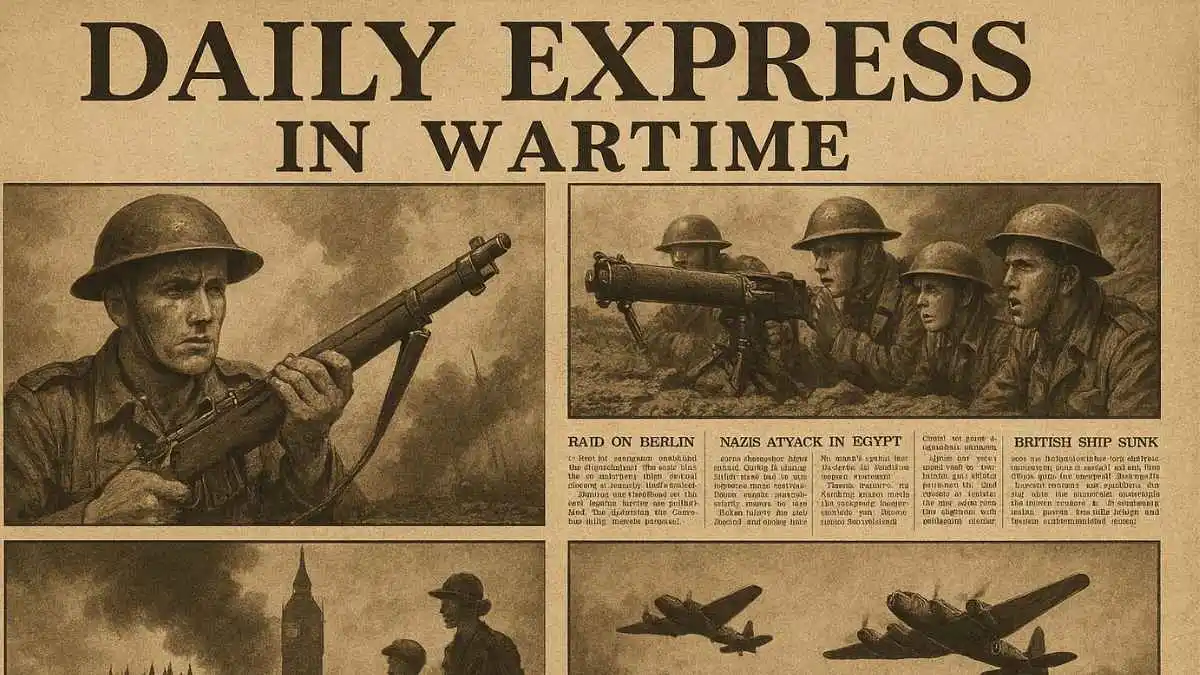
The newspaper’s unwavering support for the war effort and its ability to connect with readers on a personal level solidified its place as a trusted source of news during challenging times.
Post-War Evolution: Adapting to Changing Times
In the post-war era, the Daily Express continued to evolve, adapting to the changing media landscape. At the same time, it faced increasing competition from other newspapers and the rise of television.
It remained a significant player in British journalism. The newspaper expanded its coverage to include more investigative reporting, celebrity news, and lifestyle content, ensuring its relevance to modern readers.
The Digital Age: Embracing New Platforms
Like many traditional newspapers, the Daily Express faced challenges in the digital age. However, it successfully transitioned to online platforms, launching its website and embracing social media to reach a global audience.
Today, the Daily News continues to deliver breaking news, opinion pieces, and feature stories, maintaining its legacy as a trusted source of information.
Key Milestones in Daily Express History
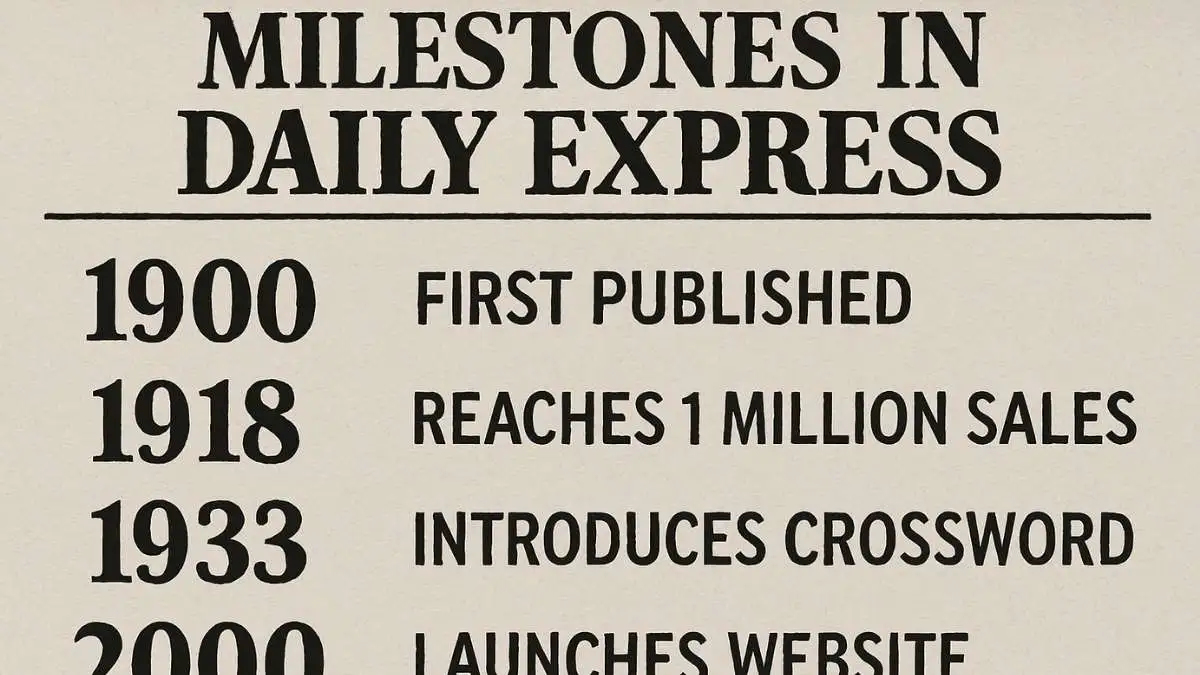
- 1900: Founded by Sir Arthur Pearson.
- 1916: Acquired by Lord Beaverbrook.
- 1930s: Became the world’s largest-selling newspaper.
- 1940s: Played a vital role during World War II.
- 2000s: Transitioned to digital platforms.
The Legacy of the Daily Express
The Daily Express has left an indelible mark on British journalism. Its commitment to innovation, its ability to adapt to changing times, and its influence on public discourse have made it a cornerstone of the UK media landscape.
As it continues to evolve, the Daily News remains a testament to the enduring power of print and digital journalism.
The Daily Express Matters Today

In an era of fast-paced news and digital media, the Daily News stands as a reminder of the importance of reliable journalism. Its rich history serves as an inspiration for modern news outlets, highlighting the need for innovation, integrity, and a connection with readers.
What is the Daily Express known for?
The Daily Express is known for UK tabloid journalism, with a strong focus on politics, immigration, and national identity. The Express publishes breaking news, opinion pieces, and human interest stories with bold headlines.
Is the Daily Express free online?
Yes, the Express offers free access to many news articles on its official website and mobile app. Readers view headlines, breaking news, and selected stories without payment. Digital newspaper editions, archives, and premium content require a paid subscription.
What type of paper is the Express?
The Express is a British tabloid newspaper. The paper focuses on bold headlines, political opinion, and popular news topics. Coverage includes politics, health stories, celebrities, and the royal family.
Who is the founder of the Daily Express?
Arthur Pearson founded the Daily Express in the United Kingdom in 1900. Pearson was a British newspaper publisher and businessman. The Express grew fast under Pearson’s leadership as a mass-market tabloid.
Conclusion
Daily Express stands as a defining force in British media history with more than a century of influence. The Daily News shaped public opinion through bold headlines, political commentary, and mass appeal reporting.
Founded in 1900, the Daily Express expanded journalism through visual storytelling, accessible language, and a consistent focus on readers. Leadership under Lord Beaverbrook strengthened reach, circulation, and national impact.
Daily News adapted through war periods, cultural change, and digital transition without losing its identity. Today, the Daily News continues to attract large audiences through its online presence and print edition.
Related Posts

Daily Horoscope Insights for Love, Career, Health, & Energy
The daily horoscope today offers a glimpse into your love…

7-Step Night Skincare Routine for Dry Skin to Hydrate Overnight
Night Skincare Routine for Dry Skin Night Skincare Routine: Dry…

Daily Exercise Tips to Lose Belly Fat Fast & Naturally
Why Losing Belly Fat Is Important for Health and Fitness…