Why Time Management Routine Matters
Time Management Routine: A strong time management routine helps you make the most out of every hour in your day. Instead of rushing from one task to another, it gives you clarity, reduces stress, and keeps you focused on what truly matters. Whether you’re a student, professional, or someone balancing work and personal life, the right routine can boost productivity and improve your overall lifestyle.
The Power of a Structured Daily Plan
By following a structured time management routine, you train your mind to prioritize effectively and avoid wasting time on distractions. Simple practices—like setting clear goals, creating task lists, and breaking your day into manageable blocks—help you achieve more with less effort. Over time, these small but consistent habits can create big improvements in both your personal and professional growth.
Build a Timetable
The first step in creating a time management routine is to build a timetable. A timetable gives structure to your day. It shows when to start and when to stop a task. Without a timetable, your day flows without direction.
Start by writing down your daily responsibilities. These may include work, study, exercise, and family time. Once you list them, assign time slots to each task. Keep your mornings for tasks that need high energy. Reserve afternoons for lighter tasks. In the evening, plan time for relaxation and reflection.
Use a notebook or a digital calendar. Color coding helps you see priorities quickly. Review your timetable every night and adjust it if necessary. A timetable works only when you follow it consistently.

Be Realistic
A routine should always be realistic. Many people make the mistake of filling their timetable with too many tasks. They expect to finish everything in one day. This creates stress and leads to failure.
Be honest about your energy levels. If you can focus deeply for three hours, do not plan for six. Break large tasks into smaller ones. For example, instead of writing an entire report in one sitting, divide it into sections.
Set goals that you can achieve within your limits. A realistic routine encourages progress. It builds confidence because you finish what you start. Over time, you can increase your capacity.

Allow Yourself Downtime
Productivity does not mean working nonstop. Your brain and body need rest. Downtime is essential in any time management routine. Without it, you will face burnout, fatigue, and loss of motivation.
Plan short breaks during the day. A five-minute walk, a quick stretch, or a few minutes of deep breathing refreshes your mind. Schedule longer breaks for meals and leisure activities.
Use downtime to recharge. You can read, listen to music, or simply sit quietly. Protect this time and do not feel guilty about it. Rest improves focus. After downtime, you will return to tasks with more energy and creativity.

Make a Checklist
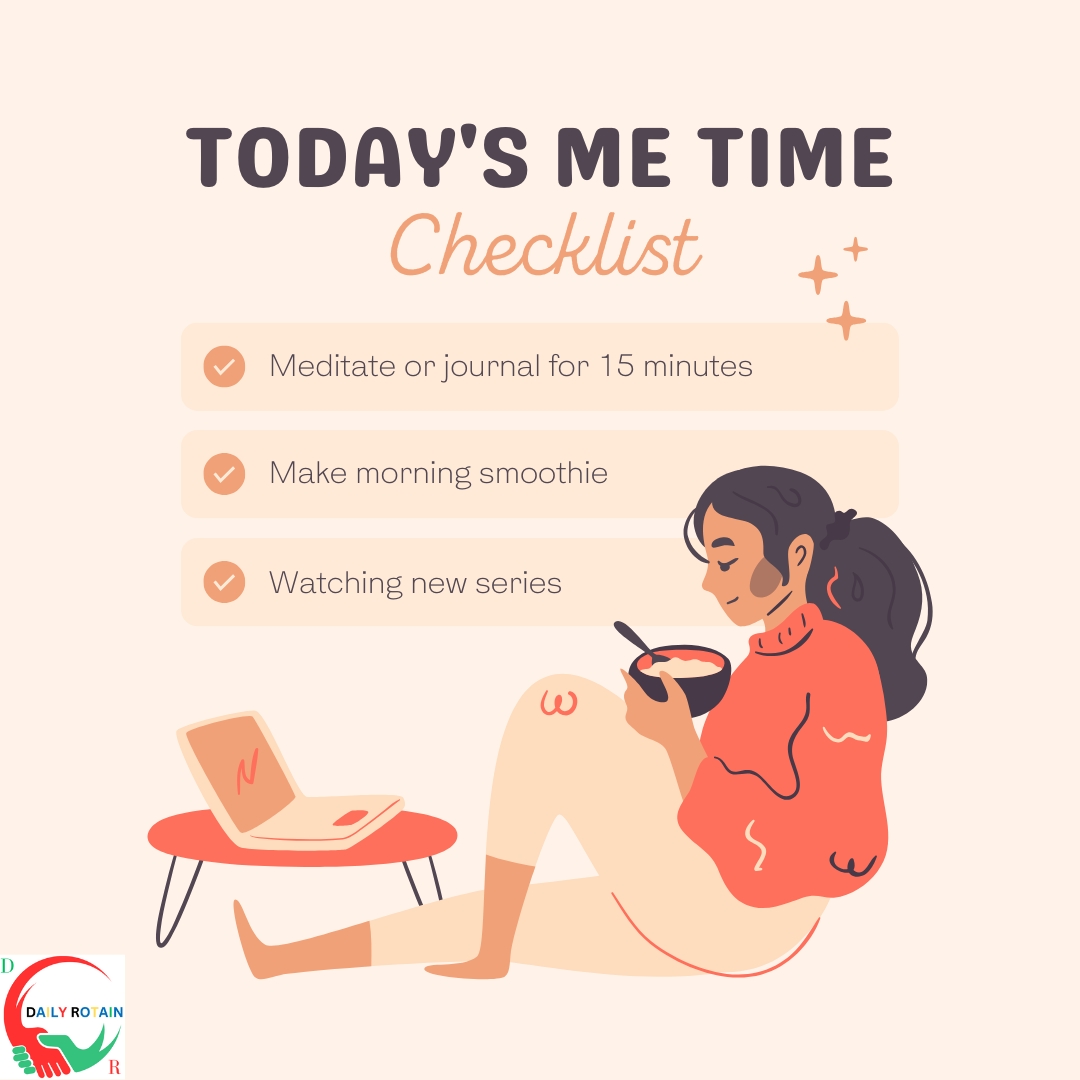
A checklist is a simple but powerful tool. It helps you stay organized and track progress. Write down your tasks in order of importance. Mark them once they are completed.
Checklists reduce mental stress because you do not need to remember everything. They show you what is left and what is done. This creates a sense of achievement.
Keep your checklist short. Do not add more than seven or eight items for one day. Too many tasks on a checklist can feel overwhelming. Place the most important task at the top and work your way down.
Digital apps and sticky notes both work well. Choose what suits you best.
Work with Others
Time management becomes easier when you work with others. Collaboration brings accountability. When you plan tasks with someone, you are more likely to complete them.
Teamwork also saves time. Different people bring different strengths. For example, if you are working on a project, divide tasks according to skills. One person can handle research, another can focus on writing, and a third can prepare visuals.
Share your timetable with close friends or colleagues. Let them know your priorities. This reduces interruptions and builds support. Working with others teaches discipline and respect for time.

Include Rewards
Motivation is a key part of a time management routine. Rewards encourage you to stay on track. Every time you complete a task, give yourself something enjoyable.
Rewards do not have to be expensive. They can be simple, such as a cup of tea, a short walk, or a small treat. Bigger tasks can have bigger rewards. For example, after finishing a week of consistent work, plan a movie night or dinner out.
Rewards connect effort with pleasure. They remind your brain that hard work has benefits. This makes it easier to repeat the routine every day.
Eliminate Distractions
The biggest enemy of time management is distraction. They break focus and waste valuable minutes. Common distractions include mobile phones, social media, and unnecessary noise.
Identify what distracts you the most. Once you know, take steps to control it. Put your phone on silent while working. Use apps that block social media during focus hours. Choose a quiet space where interruptions are less likely.
If people around you disturb your routine, politely set boundaries. Explain when you are available and when you are not. Creating a distraction-free environment increases concentration and saves hours of wasted time.

Understand Your Learning Style
Every person has a unique learning style. Some learn best by reading. Others learn by listening or doing. Knowing your style helps you design a routine that fits you.
If you are a visual learner, use charts, diagrams, and color-coded notes. If you are an auditory learner, record lectures or listen to podcasts. If you are a kinesthetic learner, include hands-on practice.
Adapting your routine to your learning style makes tasks easier and faster. You will absorb information better and remember it longer. This reduces the time you spend repeating the same work.

Focus on One Thing at a Time
Multitasking may feel productive, but it actually reduces efficiency. When you switch between tasks, your brain loses focus. It takes time to adjust, and mistakes become more common.
Train yourself to focus on one task at a time. Start with the most important one. Work on it until it is complete, then move to the next.
Use the Pomodoro technique if needed. This means working for 25 minutes and taking a 5-minute break. Repeat the cycle and give yourself a longer break after four rounds. Focusing on one thing improves quality and speed.

Plan Ahead
A successful time management routine requires planning ahead. Waiting until the last moment creates stress. Planning gives you control and clarity.
Every night, review the next day’s tasks. Prepare your checklist, update your timetable, and arrange necessary materials. Planning ahead also applies to weekly and monthly goals.
Think about deadlines in advance. If a project is due in two weeks, break it into smaller parts and schedule them. This prevents last-minute pressure.
When you plan ahead, you save time and energy. You enter each day prepared and confident.
What is the 7 8 9 Rule for Time Management?
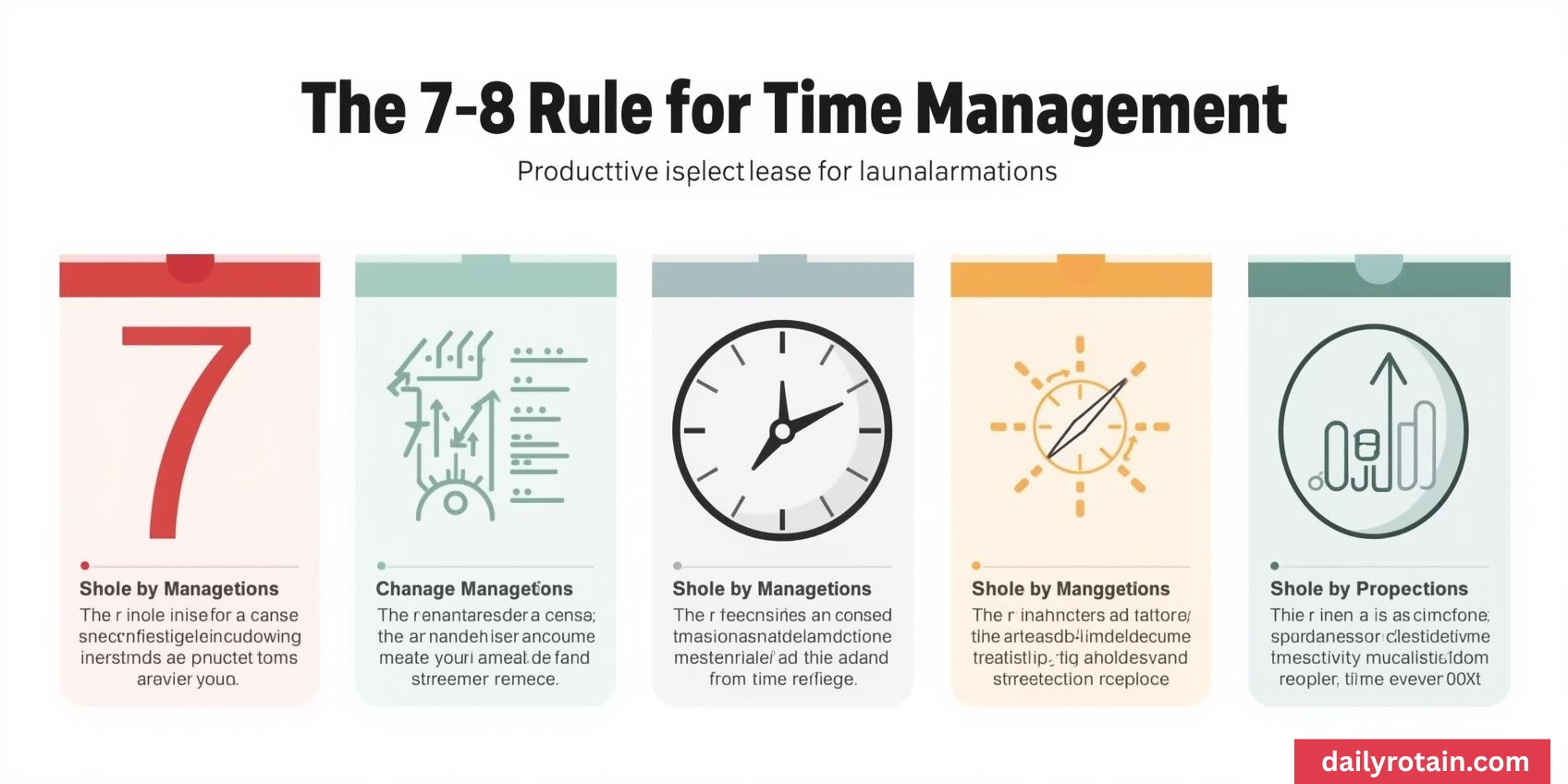
The 7 8 9 rule is a simple way to structure your day around essential needs. It suggests spending:
-
7 hours for sleep to rest and recharge.
-
8 hours for work or study to handle your main responsibilities.
-
9 hours for personal time, which includes meals, family, exercise, hobbies, and relaxation.
This rule reminds you that life is more than just work. It balances productivity with health and personal well-being.
What is 40 30 20 10 Time Management?
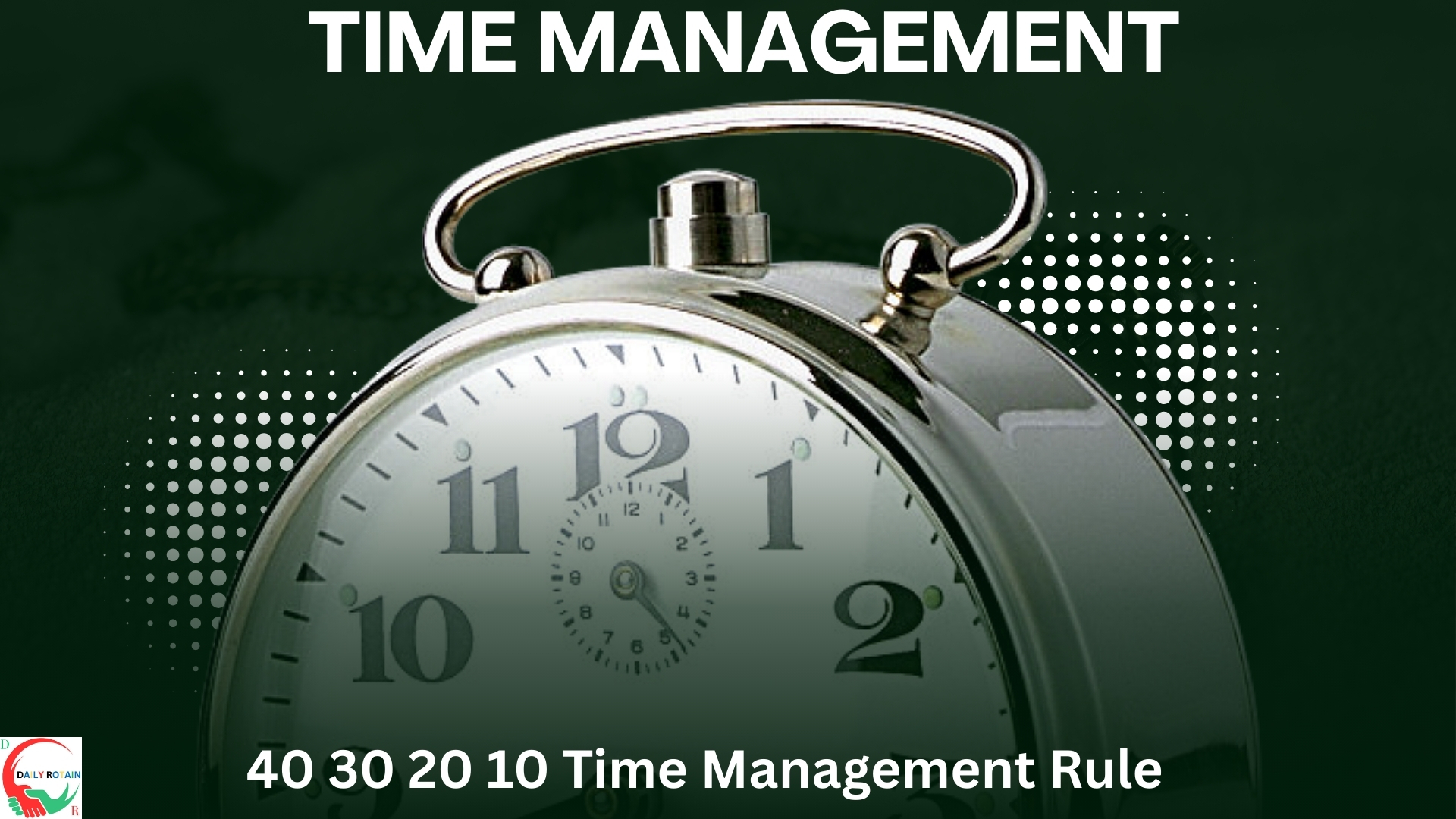
The 40 30 20 10 method divides your time into percentages based on priorities:
-
40% of your time should go to your most important and high-value tasks.
-
30% of your time is for medium-priority tasks that still matter but are less urgent.
-
20% of your time can be used for low-priority or routine tasks.
-
10% of your time is left for breaks, leisure, or unplanned activities.
This approach makes sure that your biggest goals always get the most attention.
What are the 10 Benefits of Time Management?
Here are ten clear benefits of practicing strong time management:
-
Increases productivity.
-
Reduces stress and anxiety.
-
Improves focus and concentration.
-
Creates a better work-life balance.
-
Helps you meet deadlines on time.
-
Builds self-discipline and confidence.
-
Saves energy by avoiding wasted effort.
-
Improves decision-making.
-
Creates more free time for personal growth.
-
Leads to consistent long-term success.
What is the 60 30 10 Rule of Time Management?
The 60 30 10 rule helps you plan your day with clear percentages:
-
60% of your time is for your most important tasks, often called “deep work.”
-
30% of your time is for supportive tasks like meetings, emails, or planning.
-
10% of your time is for personal activities, breaks, or small extras.
This rule teaches you to give most of your energy to what truly matters, while still leaving room for support and balance.
Bringing It All Together
Time management is not about filling every second with tasks. It is about creating balance, clarity, and discipline. A strong routine gives you direction and peace of mind.
Start with a timetable. Keep it realistic and include downtime. Use checklists to stay organized. Work with others for support. Motivate yourself with rewards. Protect your time by removing distractions. Adjust your routine to your learning style. Focus deeply on one task at a time. Always plan ahead.
Remember, building a time management routine takes practice. Do not expect perfection on the first try. Start small and improve step by step. With consistency, you will see progress in your work, studies, and personal life.
Related Posts

Essential Daily Habits for Men | Be Your Best Self in 2025
Essential Daily Habits for Men In 2025, the pursuit of…

7-Step Night Skincare Routine for Dry Skin to Hydrate Overnight
Night Skincare Routine for Dry Skin Night Skincare Routine: Dry…

The Best Home Gym Equipment Methods for Strength and Fitness
Building a Home Gym gives you control over your fitness…